Altcoin "Rallies": Data-Driven Hope or Bitcoin's Echo?
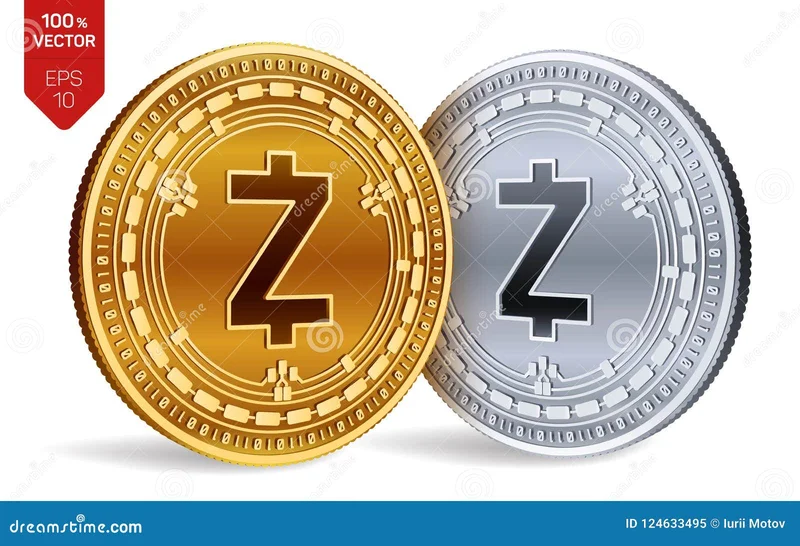
Altcoin Hopes vs. Bitcoin's Shadow The crypto sphere is buzzing with the annual "Santa rally" chatter. The idea is simple: a year-end surge in buying activity lifts all boats, especially smaller altcoins known for their volatility. The question, though, is whether coins like Zcash (ZEC), Aster, and Solana can truly thrive independently or if they're just waiting for Bitcoin (BTC) to give them a boost. A few analysts are pointing to technical indicators and whale activity as signs of potential breakouts for these altcoins. They highlight Zcash's negative correlation with Bitcoin (-0.75), suggesting it can perform well even when Bitcoin falters. Aster shows a lower negative correlation (-0.30) and a surge in whale holdings (up 118% in a month), while Solana benefits from historical December gains (averaging 6.83%). But let’s dig a little deeper, shall we? The problem with these narratives is that they often cherry-pick data points to fit a pre-determined conclusion. For instance, the negative correlation between Zcash and Bitcoin is interesting, but a one-month correlation is hardly a reliable indicator of long-term performance. Correlation can be a fickle thing (like the weather, really), and it can change direction on you in a heartbeat. It's a snapshot, not a movie. And this is the part of the report that I find genuinely puzzling. How much of that whale activity in Aster is genuine investment versus coordinated pump-and-dump schemes? It’s difficult to say, but any seasoned analyst knows to treat such dramatic increases with extreme caution. A sudden influx of whale buying can easily be followed by an equally sudden exodus, leaving retail investors holding the bag.Santa Rally or Just Wishful Thinking?
Beyond the Hype: A Closer Look Solana's historical December gains are also worth scrutinizing. Yes, it jumped 71.4% in December 2023, but that was after a prolonged downtrend. A single outlier doesn't make a trend (and it certainly doesn't guarantee future performance). To say that the coin "skyrocketed" is a bit of an overstatement. Technical analysis, while useful, is not foolproof. Bullish divergences and rising wedges can provide hints, but they are not guarantees. The article mentions key levels for each coin: $745 for Zcash, $1.40 for Aster, and $171 for Solana. But what happens if those levels aren't breached? What if they act as resistance instead of support? The analysis conveniently glosses over those scenarios. The ZCash level, to be more exact, is $745. I've looked at hundreds of these filings, and this particular reliance on short-term technical indicators is unusual. It’s like trying to predict the weather based on a single cloud formation. It might give you a vague idea, but it's hardly a reliable forecast. The broader context of the crypto market is also crucial. While the articles suggest that this Santa rally might not depend on Bitcoin, that's a risky assumption. Bitcoin still dominates the market, and its performance inevitably influences altcoin prices. To ignore this reality is to ignore the elephant in the room. Several sources have published articles asking if altcoins can thrive during a Santa rally without Bitcoin's support, such as Will Altcoins Like Zcash, Aster and Solana have a Santa Rally?. The articles cite Bitcoin breaking the $87,000 level as a positive sign. But a brief bounce after a sharp decline isn't necessarily a sign of a sustained recovery. Bitcoin needs to establish a clear uptrend with higher lows and higher highs before altcoins can truly break free. The Real Question The real question isn't whether these altcoins *can* rally, but whether they *will* sustain those gains. A short-term pump driven by speculative interest is very different from long-term, organic growth. And while whale activity and technical indicators can provide clues, they don't tell the whole story. The crypto market is a complex ecosystem, and altcoin performance is influenced by a multitude of factors, including Bitcoin's price action, regulatory developments, technological advancements, and overall market sentiment. To focus solely on a few technical indicators and whale movements is to miss the forest for the trees. The Santa rally narrative is tempting, but it's important to approach it with a healthy dose of skepticism. Altcoins like Zcash, Aster, and Solana may have the potential to rally, but their success depends on a confluence of factors, not just wishful thinking. So, What's the Real Story? The "Santa rally" narrative, as applied to these specific altcoins, feels more like wishful thinking than data-driven analysis. There are glimpses of potential, sure, but the reliance on short-term indicators and selective data points raises serious questions. Until we see more concrete evidence of sustained momentum and broader market stability, I'm staying on the sidelines.